Lost Tree Condos vs. Estates: Which Fits Your Life?
May 7, 2026
May 7, 2026
If you are deciding between a Lost Tree estate home and an oceanfront condo, you are really choosing how you want to live day to day. For some buyers, the right answer is privacy, space, and a property that can serve family for years to come. For others, it is simple ownership, direct ocean views, and an easier seasonal routine. In Lost Tree, both options are compelling, so the smartest move is to match the property type to your lifestyle, priorities, and holding period. Let’s dive in.
Lost Tree Village is not a typical luxury community in 33408. It spans about 450 acres in North Palm Beach between the Atlantic Ocean and the Intracoastal Waterway and includes 524 residences, inland lakes, private docks, a golf course, ocean beaches, clay tennis courts, and a fitness center. Community materials also place strong emphasis on privacy, limited population, and long-term family continuity.
That context matters because your decision is not just about square footage or a view. It is about how you want to use the property over time. In a place where multigenerational ownership and stewardship are part of the culture, the better fit often comes down to whether you want a legacy-style homebase or a refined lock-and-leave retreat.
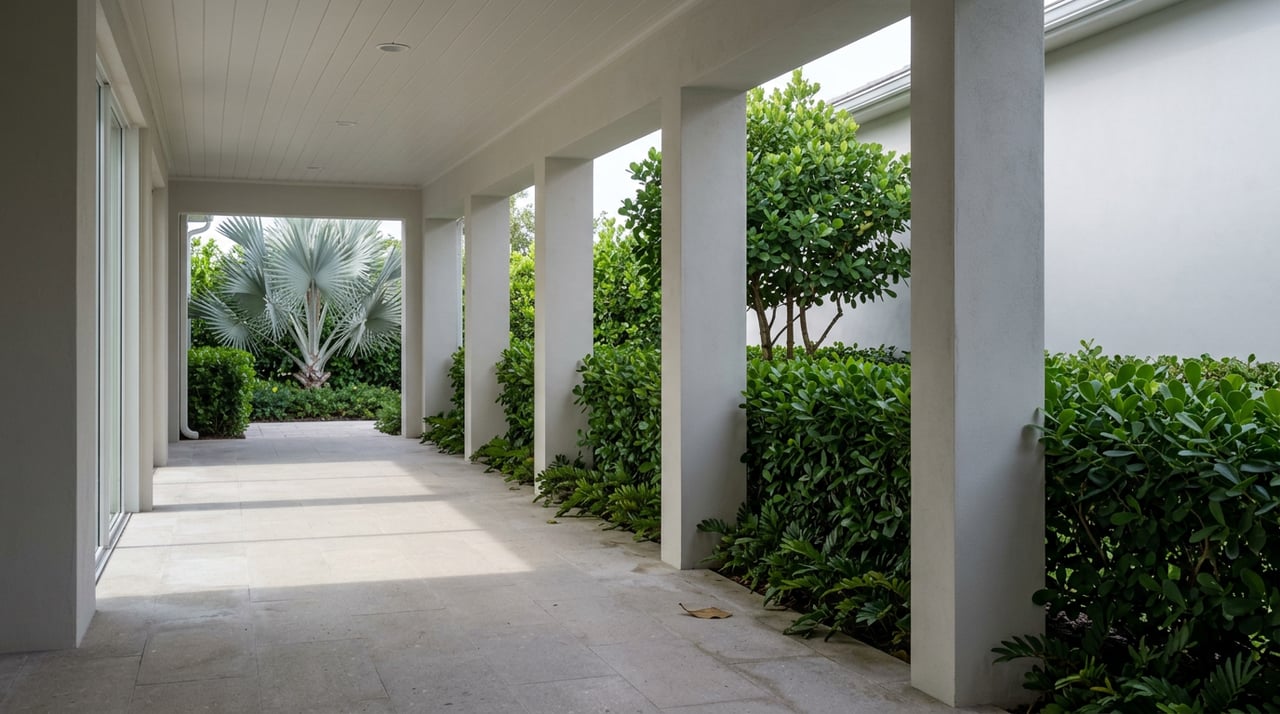
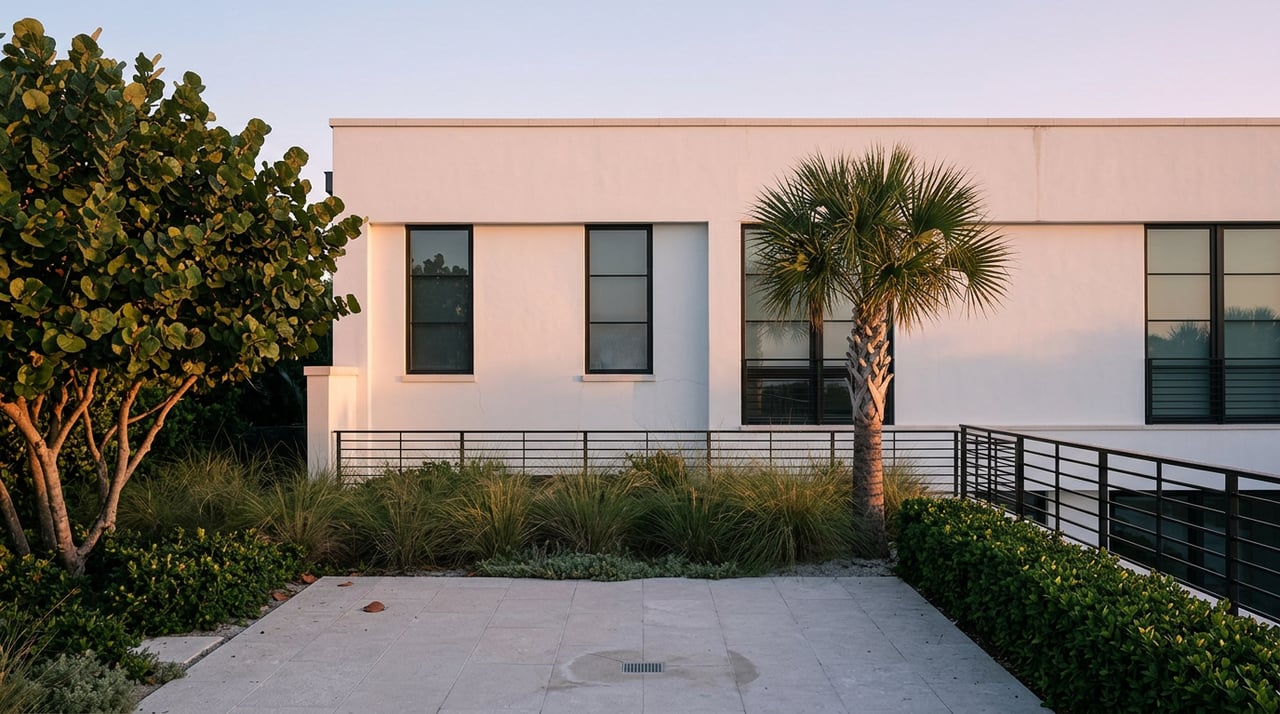
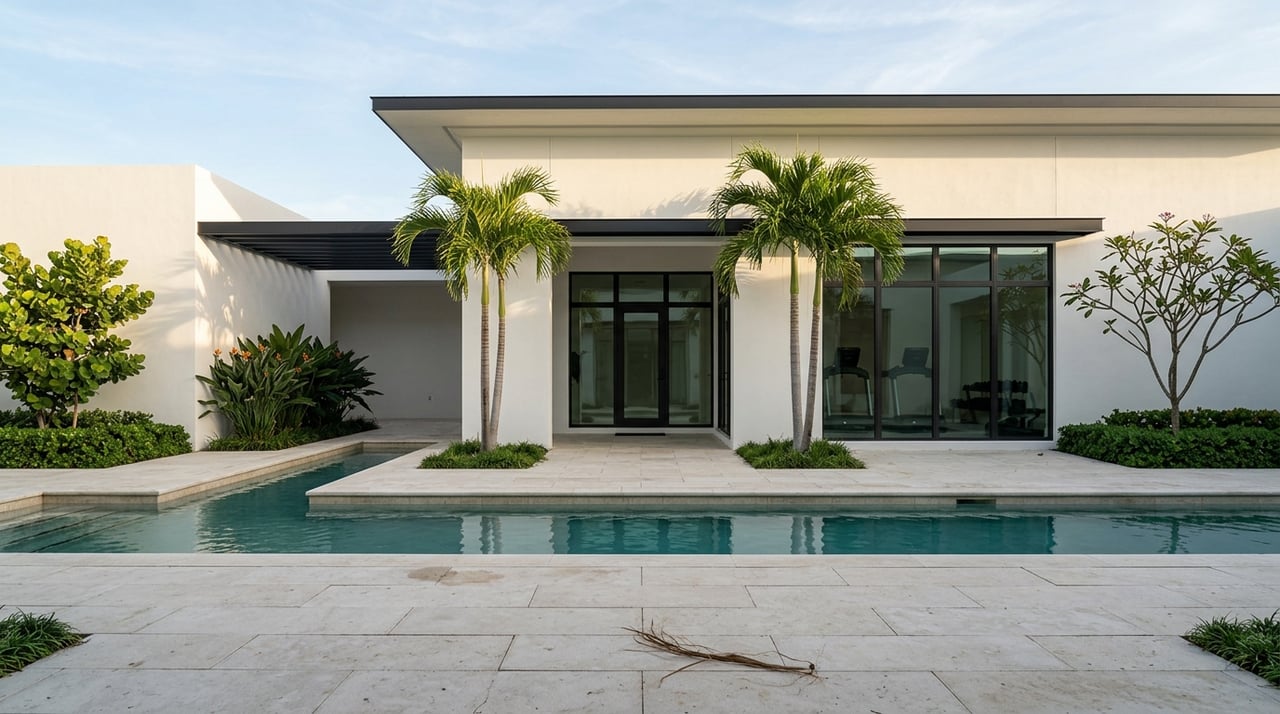
Estate homes in Lost Tree offer the greatest control over your living environment. Recent examples show lot sizes around 0.22 to 0.41 acres, with features such as private pools, attached garages, and golf or water views. At the very top of the market, a rare direct-ocean estate sold for $25.5 million in 2023 on more than one acre with about 103 feet of frontage.
That range tells you a lot about the product. Some estate homes are centered on golf-course settings and private outdoor living, while a very small number offer direct ocean frontage. In practical terms, estates tend to appeal to buyers who value privacy, customization, and control over the property itself.
With an estate home, you control the lot, landscaping, pool area, and outdoor buffers. That often creates a stronger sense of separation and quiet than condo living can provide, even in a low-density building. If privacy is high on your list, this is usually where estate homes stand apart.
Estate ownership can also support longer-term family use. Lost Tree’s own community messaging highlights second- and third-generation continuity, and that aligns naturally with the way many buyers think about single-family ownership. If you want a property that can adapt to visits, holidays, and changing needs over time, an estate may fit that vision better.
More control usually means more responsibility. Recent examples show HOA dues for estate homes around $365 to $557 per month, which is much lower than condo dues, but that does not mean lower total effort. You are typically taking on more direct responsibility for maintenance, repairs, and day-to-day oversight.
For some buyers, that is a benefit because they want independence. For others, especially seasonal owners, it can feel like one more layer to manage. The right answer depends on whether you want autonomy or convenience.
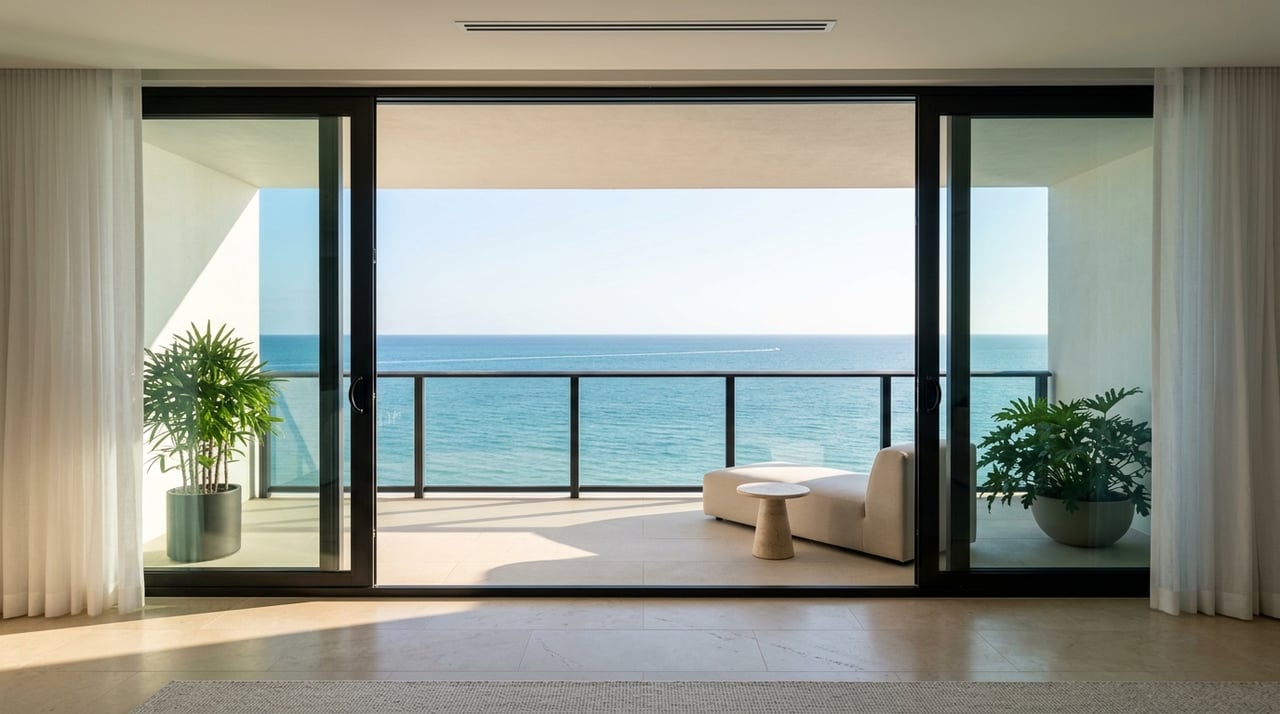
Oceanfront condos in Lost Tree offer a different kind of luxury. Recent examples are around 2,300 to 2,400 square feet with 2 to 3 bedrooms, direct ocean views, elevator access, underground garage parking, and private storage. One current example is listed at $4.5 million with monthly HOA dues of $2,370, while a recent Ocean House sale was about $3.9 million with dues of $4,101 per month.
Even so, these are not typical high-rise tower units. One Ocean House building includes only four residences, and another listing notes a private oceanfront pool and beach access. So while condo ownership is association-governed shared ownership, the experience can still feel quiet and private by broader Florida standards.
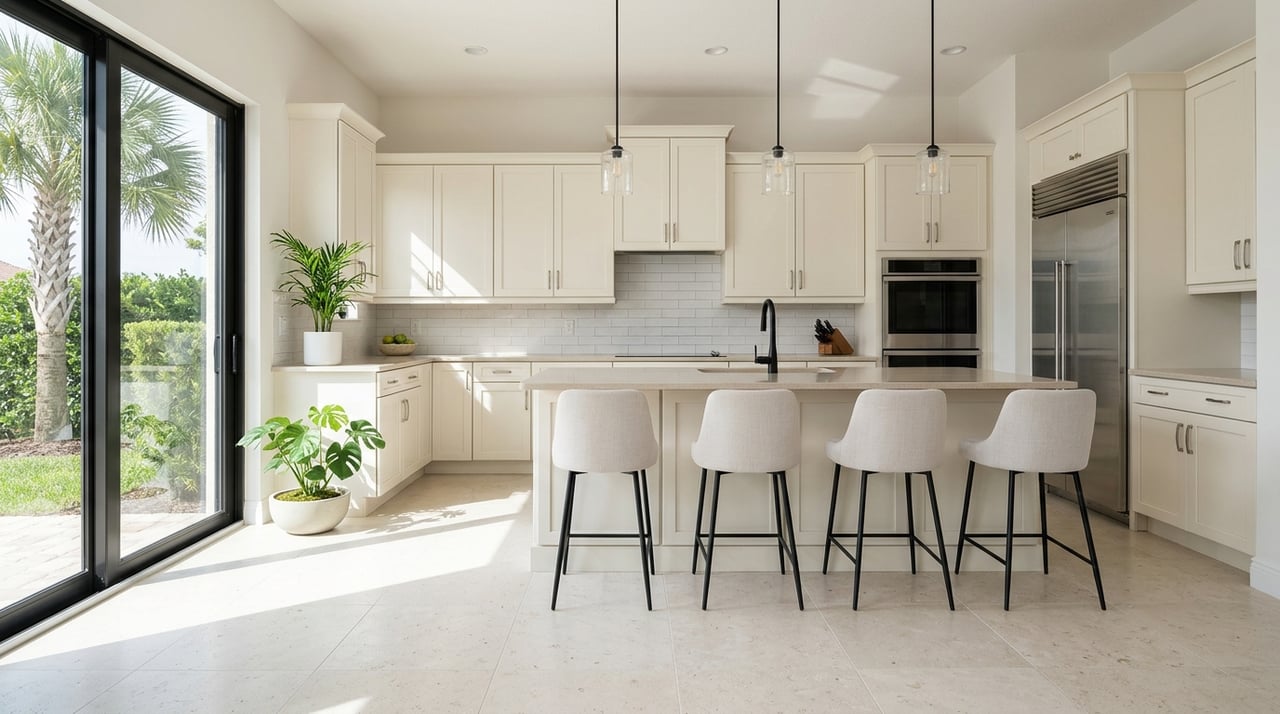
The biggest appeal is ease. Condo dues in current examples cover items such as building insurance, exterior maintenance, common areas, elevator service, management, and pool service. That makes the condo option especially attractive if you want a more turn-key property with fewer moving parts to oversee yourself.
Condos also deliver the most dependable ocean-view lifestyle. If waking up to direct Atlantic frontage, beach access, and sunrise views is central to your vision, the condo product gives you that package more consistently than estate homes do. In Lost Tree, many estate homes trade direct ocean frontage for golf, lake, or landscaped views.
The tradeoff is shared ownership structure. Even in a very low-density building, you still share elevators, storage areas, and common amenities. That may not matter to you at all, but if your top priority is complete control over your surroundings, an estate usually wins.
You also need to pay close attention to monthly carrying costs and building governance. Condo dues are materially higher, and broader Florida condo trends suggest buyers are watching HOA dues, insurance costs, and reserve health more carefully. In a niche market like Lost Tree, that does not determine value on its own, but it can influence resale sensitivity.
Here is the simplest way to think about it:
| Priority | Lost Tree Estate | Oceanfront Condo |
|---|---|---|
| Privacy | Strongest overall | Good, but shared common areas |
| Maintenance | More owner responsibility | More handled through HOA |
| Views | Often golf, lake, or landscaped | Most reliable direct ocean views |
| Flexibility | More room to customize | More turn-key living |
| Monthly dues | Generally lower in current examples | Higher in current examples |
| Long-term family use | Often strong fit | Often better for seasonal simplicity |
This is not a matter of which product is better. It is a matter of which product better supports the life you want to lead in Palm Beach County.
If you plan to spend part of the year in North Palm Beach and want an easy arrival-and-departure routine, an oceanfront condo is often the cleaner solution. You may prefer knowing that exterior maintenance, building operations, and shared amenities are being handled through the association. That can make ownership feel more predictable when you are not in residence full time.
This option can also make sense if your top emotional driver is the ocean itself. If the view, the beach, and a sunrise-facing lifestyle are the reason you are buying here, a condo often delivers that experience in the most direct way.
If you are thinking beyond the next few seasons, estate homes tend to gain appeal. You may want more room for visiting family, more privacy around your outdoor spaces, or a property that can evolve with your needs over time. In that case, the estate format often offers more freedom.
That is especially relevant in a community that emphasizes continuity and stewardship. Lost Tree’s character supports buyers who are not just purchasing a residence, but choosing a setting that may serve them and their family for many years.
In both categories, rental flexibility appears limited. A recent condo listing noted leasing is allowed only with restrictions and requires buyer approval, an interview, and tenant approval. A single-family Lost Tree home showed a similar pattern, with lease restrictions and tenant approval under a mandatory HOA.
The takeaway is simple: Lost Tree is not a casual short-term rental market. If rental use matters to you, verify the current rules for the specific property and building before you move forward.
Broad 33408 data provides useful context, but it does not define Lost Tree. In March 2026, Redfin reported a median sale price of $680,000 and 103 median days on market for the zip code, while Zillow showed a 33408 median sale price of $723,333 with 399 for-sale listings. Those figures underscore how distinct Lost Tree is from the wider local market.
Inside Lost Tree, recent price points range from roughly $4.5 million for an oceanfront condo to $9.95 million for a golf estate, with the rare oceanfront estate sale at $25.5 million. That tells you resale is shaped by a narrow buyer pool focused on specific attributes such as view corridor, lot size, privacy, and building or home quality. In other words, details matter here more than broad averages.
Instead of asking which option is more prestigious or more desirable, ask which one better matches your rhythm of life. Do you want a home that feels private, flexible, and potentially multigenerational? Or do you want a polished oceanfront residence that makes seasonal living easier?
In Lost Tree, both paths can be excellent. The right choice usually becomes clearer when you focus on how you will actually use the property, not just how it looks on paper.
If you are weighing estate privacy against oceanfront convenience in Lost Tree or nearby North Palm Beach, Faxon and Stanko can help you evaluate the tradeoffs with the discretion, local insight, and senior-level guidance this market deserves.
Stay up to date on the latest real estate trends.
We are the Premier Luxury Real Estate Team of South Florida. We specialize in luxury, golf and waterfront properties in South Florida. Combined, we have remarkable knowledge of real estate in the area.